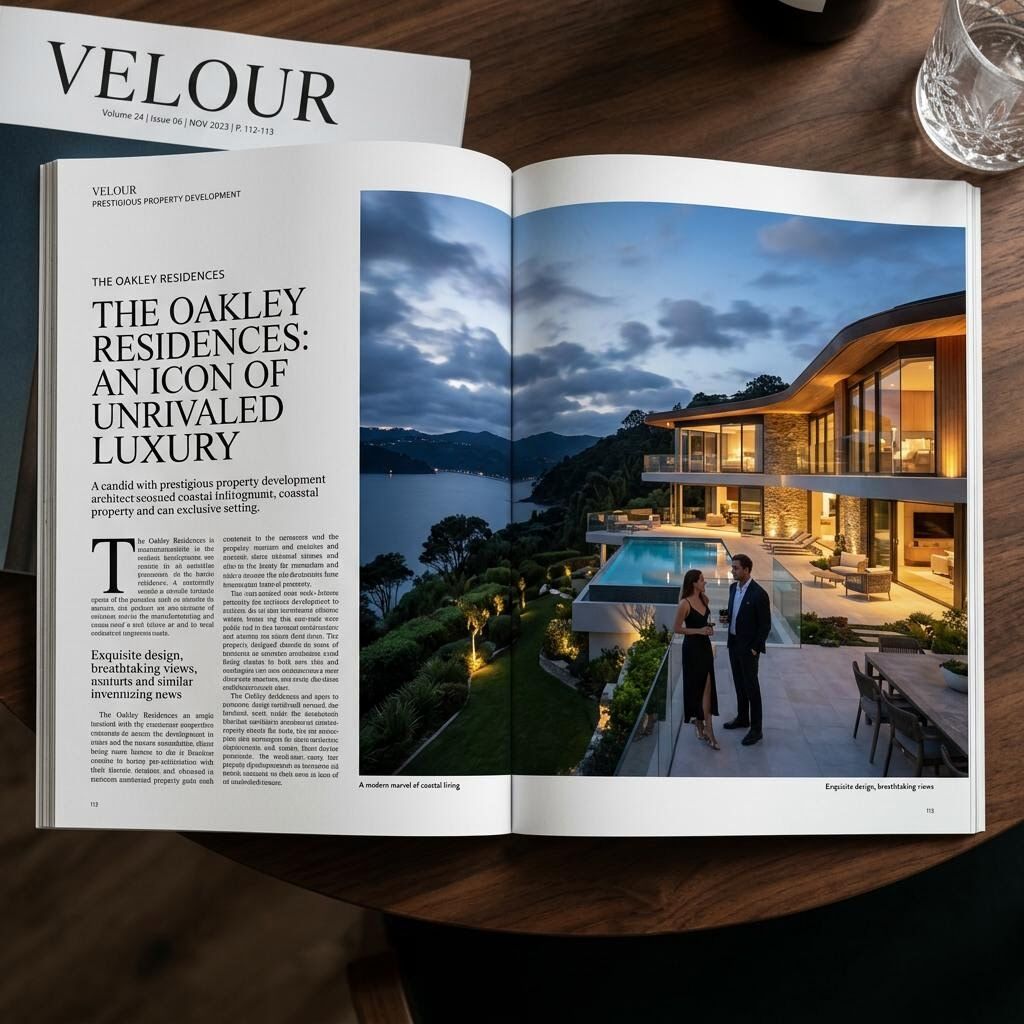
Why pr matters
A press release that only says a property is available is rarely a story. Editors need a timely angle, verifiable facts and material that fits their readers. Sending the same announcement to every outlet can waste relationships and create little coverage. Strong property PR starts with a useful reason for someone outside the business to pay attention.
For developers launching a scheme and agents with credible local stories to tell, the first challenge is deciding what information a prospect needs before they are ready to make contact. A buyer may be comparing homes at a distance; a seller may be deciding whether an agency understands their market. In either case, a good campaign makes the next step easier by presenting accurate details in a useful order. It should answer the questions a real visitor would ask rather than assuming attention alone will turn into an enquiry.
Before commissioning any asset or buying media, write down the intended audience, the decision they face and the action that should follow. Check what people already see on the website and where useful information is missing. That preparation prevents attractive material from sending visitors to an incomplete page. It also makes the brief easier to assess later: the work can be judged by whether it helped someone understand a property or service, not just whether it looked polished.
Planning an effective approach
Identify a real story: regeneration, design, local employment, an unusual home, buyer research or a well-evidenced market perspective. Match the angle to the publications whose readers may care. Prepare spokesperson details, supporting data and visual assets before outreach. Agree which facts are public, which require approval and what the campaign should accomplish beyond a clipping count.
Set a baseline before changing anything. Note the existing content, likely customer questions, enquiries and available performance data. Decide which parts of the journey will be handled by your own team and which need specialist support. A practical brief includes the target audience, the property facts that must be checked, expected deliverables and a named person who can approve them. When a claim is uncertain, investigate it rather than repeating it across a website, advert and brochure.
Prioritise the few improvements likely to remove the biggest barrier. That might be clearer imagery, a better explanation of the location, simpler contact options or a more relevant landing page. Agree how each piece will connect to the others. Someone arriving from an article or guide should be able to reach the right service and understand what to do next without navigating through unrelated offers.
Production and delivery
Write a concise pitch that explains the relevance to the recipient rather than attaching a long sales brochure. Make images available with correct captions and usage information. Coordinate interview availability and verify quotes before distribution. If a story changes during a launch, update the materials promptly and make sure the sales website reflects the same facts as the press coverage.
Delivery should include a review of the complete journey, not only the final asset. Open the destination on a phone, read the copy without inside knowledge and test every enquiry link. Check that images, dimensions, prices and availability agree wherever they appear. Give files descriptive names and make sure the published version is the version approved for use. If a campaign has a defined start and end date, plan who will update or remove its material afterward.
Make accessibility and clarity part of the brief. Give images meaningful alternative text, avoid placing essential details only inside video or a graphic, and make calls to action readable with a keyboard and on small screens. A person who cannot use one format should still be able to understand the offer. Consistency across touchpoints matters too: a striking social post loses value if the next page looks unrelated or fails to answer the question that brought someone there.
What to measure and improve
Assess the relevance and quality of coverage, referral visits, branded searches and enquiries alongside volume. A small feature in a publication read by the right buyer can be more useful than broad but unrelated pickup. Track which angle earned interest so future pitches become sharper. Avoid presenting estimated readership as a guarantee of real buyers.
Choose a small set of measures that reflects the actual goal. Reach, traffic and engagement help diagnose whether the message was seen, but they do not by themselves establish business value. Look at the relevance of enquiries, time required to respond and whether people move to a conversation, appointment or informed decision. Where the journey spans several channels or weeks, describe attribution limits openly rather than assigning all credit to the final click.
Review the work at agreed intervals and record what changed between reviews. If the audience is right but prospects do not act, inspect the landing page and follow-up. If people are enquiring but are poorly matched, revisit targeting and the promise made in the creative. Improvements often come from a series of small corrections rather than one large relaunch. Ask the sales team what visitors misunderstood; those answers can be more useful than a dashboard alone.
Considerations for UK property teams
PR does not control editorial decisions or guarantee publication. Paid placements and independent coverage should be clearly distinguished. Property claims, prices and completion dates can change quickly, so keep approval and correction paths short. Integrate the story with the development page, social activity and sales team to ensure an interested reader can take the next step.
A property marketing plan must also work within the practical realities of the market. Listings can change, developments progress in phases and local demand is not the same everywhere. Keep published information under review and identify who can confirm facts before they go live. Do not copy a message designed for one property into another where it no longer holds true. Honest details make it easier for buyers, vendors and partners to trust the rest of the campaign.
Think about how this service fits with the rest of the marketing mix. The full service directory can help identify complementary work, while the property marketing strategy page explains the wider approach. The right combination depends on the audience and the stage of the project. A small, well-connected set of assets can outperform a large collection of disconnected activities when the website and follow-up are sound.
Getting started
Start by gathering the essential facts: who the property or service is for, what is available now, which materials already exist and which questions remain unanswered. Set a realistic budget and deadline, then identify what must happen before launch. If there are several decision-makers, agree how feedback will be consolidated. This keeps production focused and avoids late changes that introduce inconsistent claims or delay a time-sensitive campaign.
Once the work is live, make it easy to update. Property details, contact information and links should have a clear owner. Share early results with the people handling enquiries so they can identify gaps in the messaging. If you would like help deciding whether pr suits your project, tell us about your goals and the property audience you want to reach. We can discuss an appropriate scope rather than prescribing the same package for every business.